Recruiters have a line-up of the usual suspects.
Types of complaints to avoid paying the invoice.
Knowing the complaint before it comes gives you the capacity to prepare.
Knowing the usual suspects ensures every invoice gets paid.
Let’s review the line-up.
1. Backdoor / Direct Hire
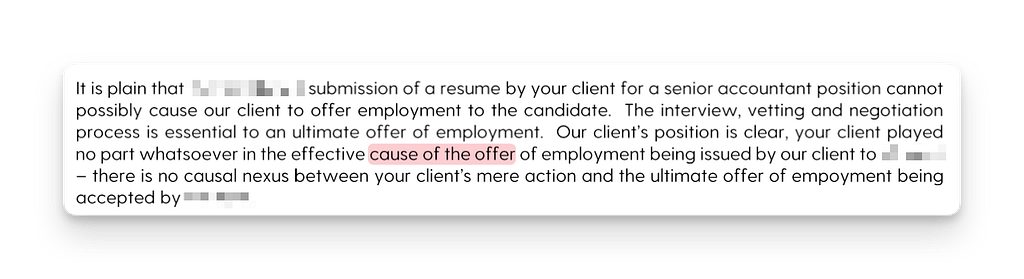
This is the core of the usual suspects.
Either intentional.
In-house communication errors.
Maybe a candidate hired via another recruiter.
They all end with the candidate placed without payment.
“They came to us directly…”
“You didn’t take part in the full process…”
“I don’t even remember the introduction…”
After you have seen the candidate’s status change on LinkedIn, you are left scrambling.
Screenshotting dates.
Polite emails congratulating on the hire.
Praying for a kind response of “please send the invoice”.
You know it’s not going to come.
2. Financial Constraints
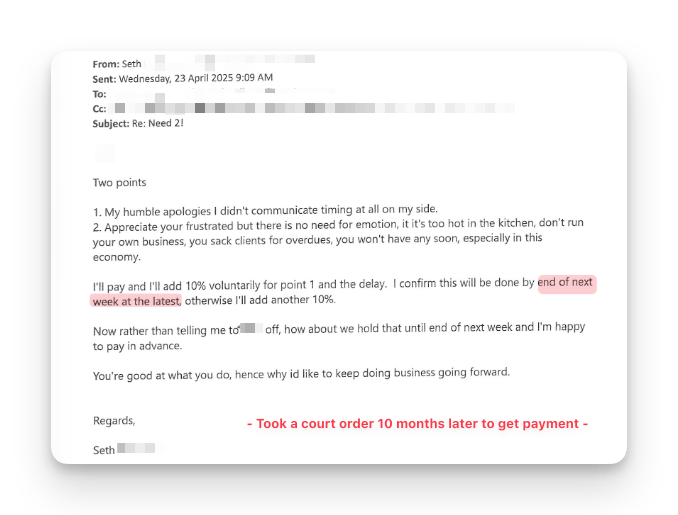
You filled the request to hire 3 new staff members.
Payment does not come through.
30 more days and suddenly there are financial issues stopping payment.
“Will get back to you shortly…”
“Not even worth the fee honestly…”
You are expected to wait your turn for payment.
Obviously, staff wages (including the ones you placed) need to come first.
You will get paid in a future pay-run.
Just not the next 6 months…
Where did your money go?
3. Replacement Guarantee
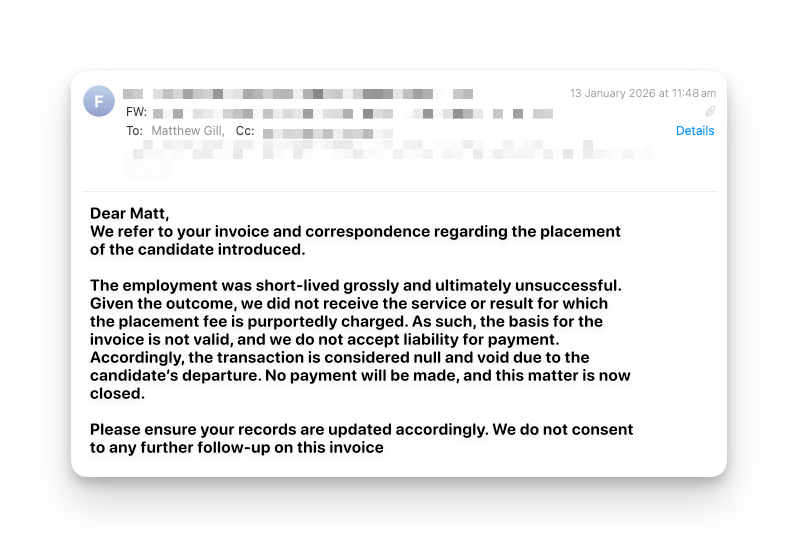
This is where entitlement goes another level.
Doesn’t pay.
Reminders, demands all seen… but no payment.
Then the candidate leaves and all of a sudden there is communication.
Demands for a replacement.
“Will pay once the role is filled again…”
“You supplied a dud candidate…” (despite being hired for months without issues)
“Candidate did not pass guarantee period, so no payment will be made…”
The terms are clear – no payment, no replacement.
Yet here you are contemplating to get the replacement in hopes this time around they will pay.
Or do you move on?
4. Never Agreed to Terms
I’ll let this one speak for itself.
It’s not hard to see where you gave value which they choose to “not agree” with.
What the usual suspects have in common.
All of the usual suspects are attempting to throw off liability.
Make the situation a ‘You Problem’.
Despite your job being over.
So what will you do to ensure you flag the usual suspects before the line-up is needed?